What makes one Lake Minnetonka shoreline trade at a premium while another, just a bay away, sells for less? If you are weighing a sale or purchase around Excelsior, the mix of bays, channels, views, and regulations can make pricing feel complex. This guide explains the specific waterfront features that move value so you can set smart expectations and focus on what matters most. Let’s dive in.
Excelsior and lake context
Excelsior sits on the south shore of Lake Minnetonka, a large multi-bay lake with islands, channels, and both open-water and protected settings. This variety creates real differences in wave action, boating traffic, privacy, and day-to-day enjoyment. Walkability to Excelsior’s restaurants, shops, parks, and marinas can add appeal, while more secluded parcels draw buyers who value privacy.
Minnesota’s four-season climate also matters. Spring through fall, buyers focus on boating, swimming, and outdoor living. In winter, ice, snow, and freeze-thaw cycles influence maintenance, shoreline durability, and insurance planning.
Local resources can help you verify details during due diligence. Plan to consult Hennepin County property records, the City of Excelsior for zoning and permits, and the Minnesota Department of Natural Resources for shoreland rules and lake data. Lake associations and marinas can add practical insight on depth, navigation, and water quality.
Frontage types and value
Direct private lakefront
Private shoreline with deeded riparian rights is typically the most valuable for buyers who want a dock and direct access. The specific edge condition matters. Sandy or gradual shorelines favor swimmers, while rock or riprap can be better for erosion control but less ideal for beach play.
Shared or association access
Shared shoreline and community beaches offer access at a lower individual cost and with less upkeep. These settings can broaden buyer appeal for those who want the lake lifestyle without full-time shoreline maintenance.
Channels and secondary frontage
Homes on narrow channels or arms enjoy calmer water and less wake. Value depends on turning room and boat size needs. Larger vessels may face limits in shallow or tight channels.
Dock restrictions
Some parcels carry covenants or permit limits that restrict docks. If a lot cannot place or size a dock as desired, the utility and value for boating-focused buyers drops.
Water depth and bottom
Depth near the shoreline is a critical pricing lever. Deep water that supports docking at lower water levels is prized by boaters and often supports larger boats. Shallow, gradual bottoms create family-friendly swim zones and can support sandy beaches, but may require longer dock runs or periodic dredging if sedimentation is an issue. Always verify depth with soundings, surveys, or local marina knowledge.
Orientation and views
South- and west-facing lots capture strong sunlight and evening light, often a lifestyle premium for patios and decks. East-facing frontage brings morning light and a quieter evening feel. Your exposure to prevailing winds and the lake’s open-water fetch influences wave action and wakes, which affects swimming and small-craft comfort. Unobstructed main-lake panoramas generally command more attention than internal bay views, but some buyers favor privacy over big-water vistas.
Elevation and slope
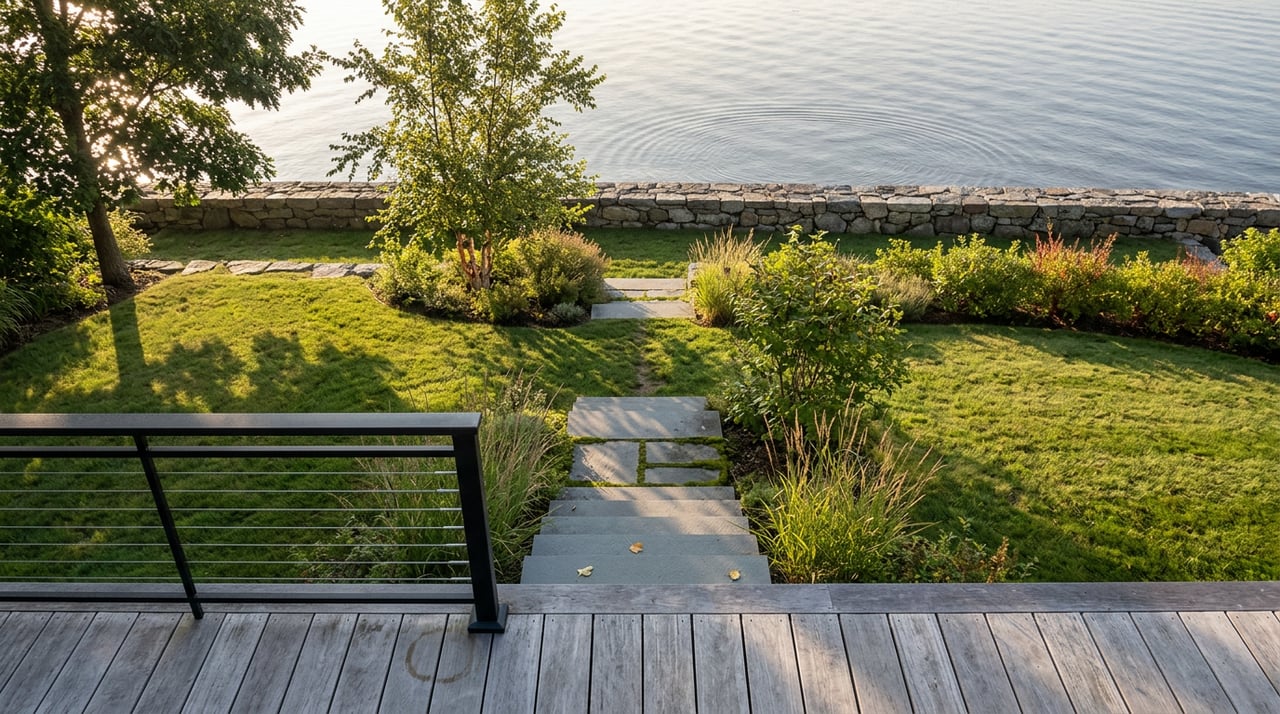
Higher elevations and bluffs offer broad views, privacy, and reduced flood exposure. They can require more steps, elevators, or retaining solutions to reach the water. Low-lying lots offer gentle access and easier beach living, yet can present higher flood risk and more maintenance.
Bay vs. main lake
Protected bays tend to be calmer, with less wake and traffic, which is great for swimming and paddle craft. Main-lake frontage offers sweeping views and open-water boating but brings more exposure to waves and potential erosion. The better choice depends on your primary use: boating, swimming, or views.
Shoreline condition and improvements
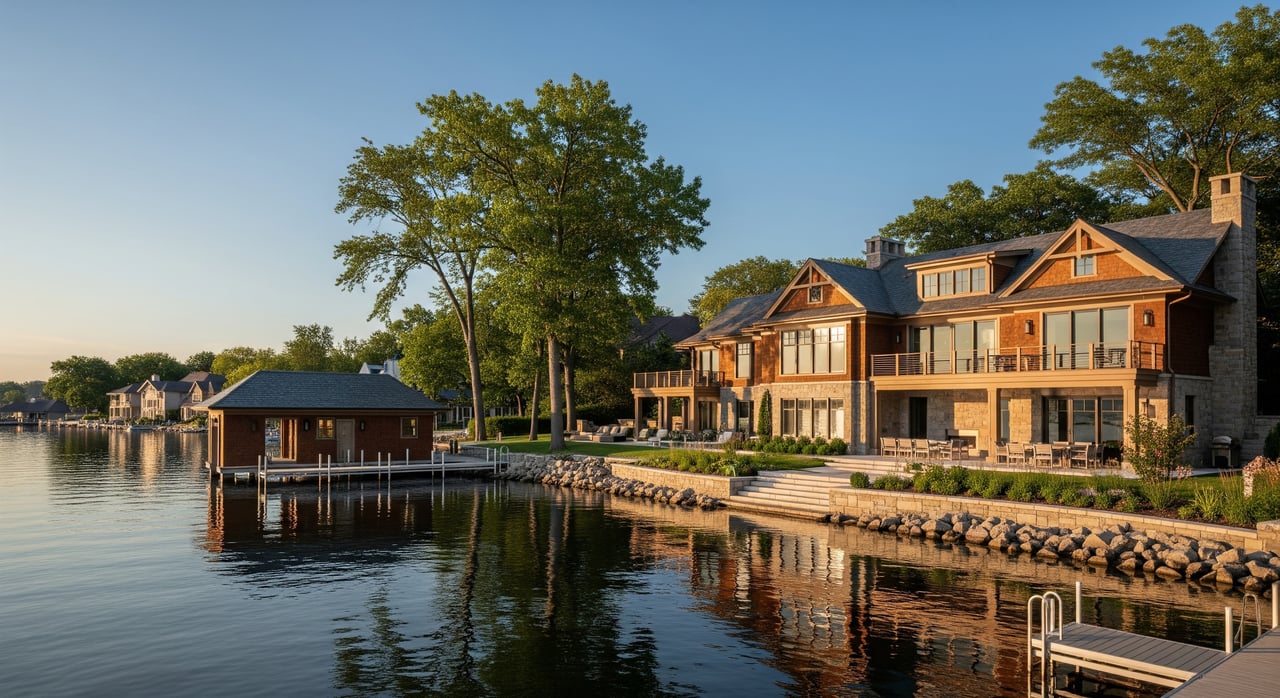
Natural shorelines with native vegetation appeal to many owners and may align with shoreland rules. Sandy beaches are a sought-after recreational feature and can be a tangible value driver. Riprap, seawalls, and bulkheads deliver erosion control but carry maintenance costs. Permitted boathouses, docks, lifts, and slips add meaningful utility. Unpermitted or failing structures are liabilities that can affect price and timing.
Mooring and marina access
For boating-focused buyers, the availability and capacity of a private dock can matter more than total shoreline width. Adequate slip configuration and depth support daily use without constant workarounds. Proximity to public launches, marinas, and service yards increases convenience and can support stronger pricing.
Privacy and accessibility
Lot spacing, vegetation buffers, and setbacks shape a home’s sense of privacy. Dense shoreline development can feel exposed compared to more secluded settings. Access also matters. Long stairways, tight parking, or difficult winter access reduce marketability even if the water features are strong.
Regulations and ongoing costs
Shoreland zoning and coverage
State and local shoreland rules govern setbacks, impervious surfaces, tree removal, and shoreline work. These rules influence what you can add or expand and shape the long-term development potential of a property.
Dock and boathouse permits
Dock and boathouse permitting varies by municipality and under DNR guidance. On Lake Minnetonka, local ordinances and historical patterns may limit new boathouses or regulate size and placement. Always confirm permit status and compliance for existing structures.
Flood risk and insurance
Some parcels fall within FEMA flood zones or local high-water areas. Insurance requirements and premiums affect carrying costs and buyer affordability. Elevation certificates and map checks help clarify risk and can influence value.
Sewer vs. septic
Sewer service lowers long-term maintenance risk compared to private septic. Older lake cottages and legacy homes may have septic systems that need inspection or future replacement. Confirm municipal availability and system condition early in the process.
Erosion control and dredging
Engineered shoreline solutions, from riprap to vegetative buffers, involve material costs. If dredging is likely to maintain mooring depth, factor both cost and permitting into your valuation. Buyers discount for failing or underbuilt shoreline infrastructure.
Aquatic invasive species and water quality
Lake Minnetonka has AIS such as zebra mussels and Eurasian watermilfoil, along with ongoing management efforts. AIS and water clarity trends influence recreational enjoyment and maintenance needs. Incorporate current monitoring into long-term desirability assessments.
Taxes and assessments
Waterfront parcels often carry higher assessed values. Special assessments for shoreline projects or municipal improvements may apply. Review parcel-level tax history through Hennepin County records as part of your valuation.
Valuation playbook for Excelsior
Due diligence checklist
- Hennepin County property record card, assessor data, and tax history
- Title search for riparian rights, easements, and any dock or shoreline covenants
- Survey or plat showing shoreline, setback lines, and measured frontage
- City and DNR permit history for docks, boathouses, and shoreline work
- FEMA flood maps and any elevation certificates
- Municipal sewer availability and, if applicable, septic inspection
- Nearshore depth verification or recent soundings
- Water quality and AIS reports from trusted local sources
- Structural and shoreline condition inspections
- Waterfront-specific comparables for the same bay or frontage type
What sellers should highlight
- Exact frontage type and verified nearshore depth
- Legal status and permits for docks, boathouses, and stabilization work
- Recent shoreline improvements with supporting documents
- Proximity to Excelsior amenities, marinas, and public access
- Sewer hookup details or septic records and utility upgrades
- Winter access features, where relevant
What buyers should verify
- Permitted dock size, placement, and condition
- Cost estimates for likely shoreline maintenance or dredging
- Insurance quotes, including any flood coverage
- Fit with intended use: large-boat docking vs. swimming and beach use
- Any planned municipal or lake projects that could affect use or taxes
Features that add or subtract value
- Value adders: permitted private dock or boathouse in good condition, deep nearshore water, sandy beach, unobstructed main-lake views, proximity to town and marinas, elevated sites with strong views.
- Detractors: unpermitted structures, failing seawalls or active erosion, shallow shoals that hinder docking, aging septic with no sewer option, high-wake areas for buyers seeking calm water.
Partner with a lake-market specialist
Waterfront pricing around Excelsior is specific to frontage, depth, exposure, permits, and ongoing costs. If you want a clear plan to buy well or position your property for a top-of-market result, work with a senior-led team that knows every bay, channel, and ordinance nuance. For confidential guidance and a property-specific valuation, connect with the Steadman Team.
FAQs
How do frontage types affect price in Excelsior?
- Direct private shoreline with riparian rights usually commands the highest premiums, while shared access and channel frontage are valued based on access, depth, and usability.
Is deep water near my dock worth paying more?
- Yes for boaters. Reliable depth supports larger boats, reduces need for dredging or long dock runs, and increases day-to-day utility.
Are main-lake views always better than bay frontage?
- It depends on your goals. Main-lake exposure offers big views and boating prestige, while bays deliver calmer water for swimming and small craft.
What permits should I confirm before closing on a lake home?
- Verify dock, boathouse, and shoreline permits, plus any past violations. Check shoreland setbacks, impervious coverage limits, and floodplain status.
How do AIS and water quality influence value near Excelsior?
- AIS and clarity affect recreational enjoyment and maintenance. Incorporate current monitoring into your valuation and ownership planning.