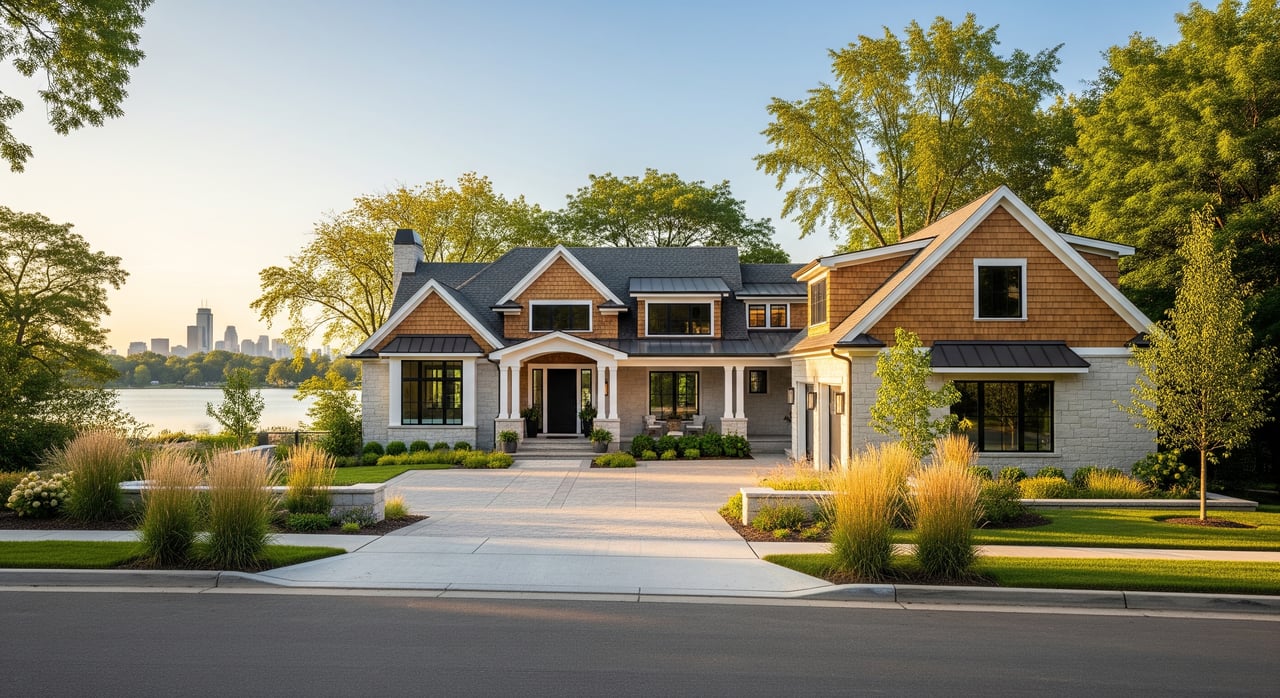
Thinking about building new in Plymouth but not sure which neighborhood, lot, or commute fits your life? You are not alone. New construction comes with choices that affect your budget, daily routine, and long-term enjoyment. This guide walks you through the key decisions for Plymouth buyers so you can compare areas, lots, builders, HOAs, and commute trade-offs with confidence. Let’s dive in.
Plymouth new-build snapshot
Plymouth is a mature Twin Cities suburb with a mix of established neighborhoods and new development. You will find both production communities with standardized plans and pockets of semi-custom and custom homes on larger sites. Where and what you can build is guided by city zoning, subdivision standards, and approved plats. For the most current picture of what is available, review City of Plymouth planning documents, recent plats, and local permit activity.
How to choose your lot
Picking the right lot is as important as picking the right floor plan. Start with size, then weigh privacy, grading, and ongoing maintenance.
Lot types explained
- Patio or zero-lot-line: Smaller, lower-maintenance parcels often under about 0.15 acre. You get less yard and typically simpler upkeep.
- Standard suburban detached: Common in many subdivisions, roughly 0.15 to 0.35 acre. Enough space for a yard without estate-level maintenance.
- Large or estate lots: About a half acre to 1 acre or more. Often in custom enclaves or on the city’s edges, with more design flexibility and privacy.
Typical sizes vary by subdivision and zoning district. Confirm minimums, setbacks, and buildable envelopes on the official plat and zoning code for your target neighborhood.
Site features that change cost and livability
- Topography and soils: Significant slopes or poor soils can add foundation or grading costs. Review the plat’s engineering notes.
- Trees and views: Mature canopy and rear views to ponds or green space improve privacy. Some trees may be protected.
- Water and drainage: Expect stormwater ponds and specific drainage patterns in newer plats. Always check grading plans and any limitations.
- Orientation: Sun exposure affects natural light, snow melt, and energy use. Walk the lot morning and late afternoon.
Utilities and services
Most developed areas of Plymouth are served by municipal water and sanitary sewer. Confirm service boundaries with the city for any edge or low-density sites. Street ownership matters too. Public streets are maintained by the city, while private streets are typically maintained by the HOA and funded by association dues.
Builder options and what they mean
Your builder type shapes timeline, customization, and pricing.
Production, semi-custom, and custom
- National/production builders: Streamlined process, predictable pricing, faster timelines, and plan-to-lot packages. Fewer structural changes.
- Regional semi-custom builders: Broader plan catalogs with meaningful plan tweaks and interior customization.
- Local custom builders: Full design flexibility for unique sites or estate lots, with wide pricing ranges and hands-on selections.
Timelines, finishes, and warranties
Production builders often have spec homes or quick-move-in options. Semi-custom and custom builds can take longer but allow more personalization. Most builders provide one-year workmanship and longer structural coverage through a third-party program. Ask for the actual warranty documents to compare.
How to vet a builder in Plymouth
- Review permit history to see who is active in your target subdivision.
- Tour model homes and ask for a standard features sheet and upgrade pricing.
- Confirm lot availability and any premiums for pond, corner, cul-de-sac, or walkout sites.
- Request sample timelines and milestone payment schedules.
HOA essentials for new subdivisions
Association rules and fees differ widely. Always request the full documents before you commit to a lot or plan.
What fees usually cover
- Common-area landscaping and pond maintenance
- Snow removal on private streets, if applicable
- Lighting, signage, and entrance features
- Amenities such as pools, parks, or clubhouses when present
Communities without amenities often have modest fees, while amenity-rich neighborhoods can be higher. There is no single Plymouth standard, so rely on the HOA budget, reserve planning, and any special assessment history.
Documents to review
- Covenants, Conditions & Restrictions and bylaws
- Current budget and any reserve study
- Rules about exterior changes, fencing, sheds, and paint colors
- Policies for rentals and parking
Consult the documents with your attorney if you have questions about restrictions or assessments.
Schools and local amenities overview
School district boundaries do not follow city lines. Many Plymouth addresses are served by Wayzata Public Schools, and other districts may cover nearby areas. Always confirm district and assigned schools by property address using official boundary maps.
Plymouth offers extensive parks, lakes, and trails. When comparing lots, note your distance to parks, trail networks, and everyday retail. Shorter drives for groceries, activities, and healthcare can make a big difference in daily life.
Commute trade-offs into Minneapolis
Commutes vary by your exact location and time of day. Use a range rather than a single number when planning.
Typical drive ranges
- Downtown Minneapolis from western Plymouth: Off-peak about 20 to 30 minutes; AM peak often 25 to 45 minutes or more depending on conditions and corridor access.
- Northern and western subareas: Add roughly 5 to 15 minutes compared with southern neighborhoods closer to I-494 and I-394.
These are typical ranges. Always test your route during the hours you plan to travel and review corridor travel-time data for the latest conditions.
Park-and-ride and bus options
Express bus service and park-and-ride options can be competitive with driving, especially when you factor in parking downtown. Frequencies and schedules change over time. Check current Metro Transit routes and park-and-ride locations that serve your target neighborhood.
How to evaluate your commute
- Sample your route on a weekday morning and evening.
- Compare drive times to downtown Minneapolis and other job centers like Edina and the I-394 corridor.
- Identify the nearest park-and-ride and compare door-to-door transit time, including parking and walking.
- Look up MnDOT travel-time corridors for peak-hour reliability.
Compare Plymouth subareas
Use this framework to narrow your search by area, even before you choose a specific subdivision.
South and east Plymouth (closer to I-494/I-394)
- Commute: Often the most direct freeway access toward Minneapolis and the I-394 corridor.
- Lots: Mix of production neighborhoods with standard detached lots and select semi-custom options.
- HOA: Often limited amenities with lower fees, but confirm by community.
Central Plymouth
- Commute: Balanced access to multiple corridors with mid-range drive times.
- Lots: A mix of infill sites and new phases of existing subdivisions.
- HOA: Varies by neighborhood. Review each plat for street ownership and maintenance.
North and west edges
- Commute: Longer drives into Minneapolis compared with southern areas.
- Lots: More opportunities for larger or irregular lots that suit semi-custom or custom builds.
- HOA: Rules and fees range widely. Pay special attention to stormwater and grading notes on plats.
Your due diligence checklist
Use this list as you tour models and walk lots.
- Lot and site
- Lot size, buildable area, setbacks, and easements
- Topography, tree coverage, and rear-view context (ponds, open space)
- Drainage plan and any wetland buffers or tree preservation requirements
- Builder and budget
- Active builder(s) and plan flexibility
- Standard features list, upgrade menu, and lot premiums
- Build timeline, allowances, and warranty terms in writing
- HOA and operations
- CCRs, bylaws, budget, reserves, and street ownership (public vs. private)
- Rules for exterior changes, fencing, and parking
- Current or pending special assessments
- Utilities and services
- Water/sewer confirmation and connection fees if any
- Trash, snow removal, and who maintains private streets
- Schools, parks, and daily life
- District and assigned schools confirmed by address
- Distance to parks, lakes, trails, and retail
- Commute mapping
- AM peak and off-peak drive times to downtown Minneapolis and your job center
- Nearest park-and-ride and express route timing
- MnDOT corridor reliability notes
How the Steadman Team helps
Building new is easier with a development-minded partner. Our team brings decades of local experience across the Lake Minnetonka corridor and Plymouth, with hands-on support that includes:
- Site and plat analysis to align the lot with your plan and budget.
- Builder introductions and coordination for production, semi-custom, and custom paths.
- Offer strategy, timeline management, and selections planning.
- HOA and operations review alongside your legal and financial advisors.
- Market intelligence so you understand resale considerations before you build.
When you are ready to explore Plymouth new construction, we are here to help you compare neighborhoods, lots, and commutes the right way. Reach out to the Steadman Team to start a private, data-driven consultation.
FAQs
What lot sizes can I expect in Plymouth new builds?
- You will see a range from small patio lots under about 0.15 acre to standard detached lots around 0.15 to 0.35 acre and larger estate sites at a half acre to 1 acre or more, depending on the subdivision and zoning.
How much do HOAs cost in Plymouth single-family communities?
- Fees vary widely based on services and amenities. Review the specific HOA budget, reserves, and any special assessments for each community before you commit.
Are most Plymouth new homes on city water and sewer?
- Many developed areas are served by municipal water and sanitary sewer, but always confirm service boundaries with the city for your exact lot.
How long is the commute from Plymouth to downtown Minneapolis?
- Typical drive times can range from about 20 to 30 minutes off-peak and 25 to 45 minutes or more during peak hours, with northern and western areas often adding 5 to 15 minutes.
Can I customize a new home in a production neighborhood?
- Production builders usually allow limited structural changes and interior selections. For larger changes, consider semi-custom or custom builders active in your target subdivision.
How do I confirm the school district for a specific Plymouth address?
- Use official district boundary maps and verify by property address. Districts can vary within city limits and change over time.