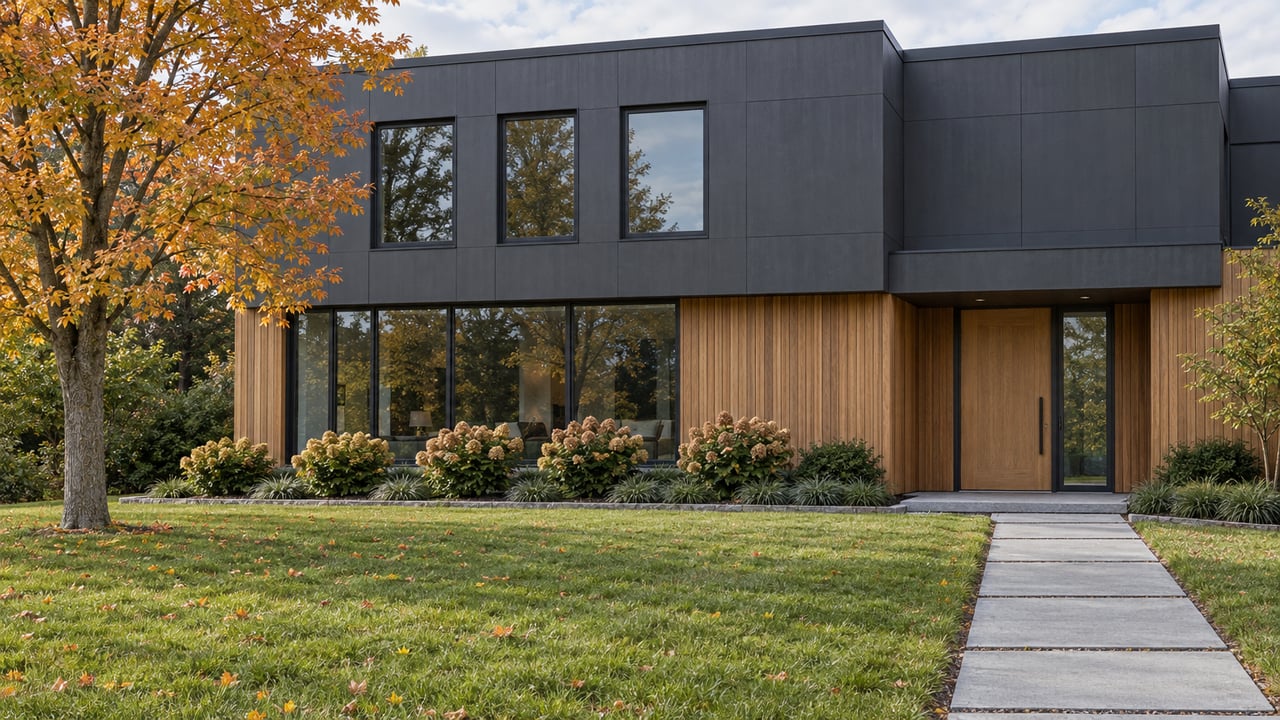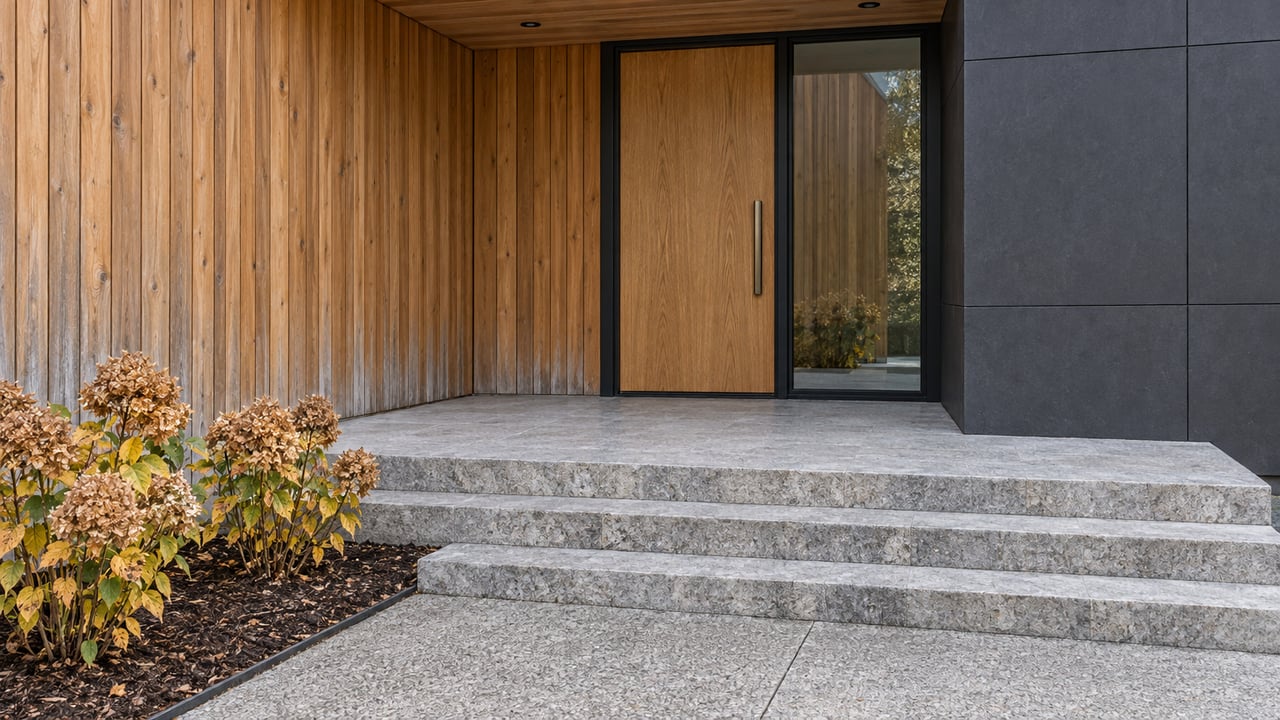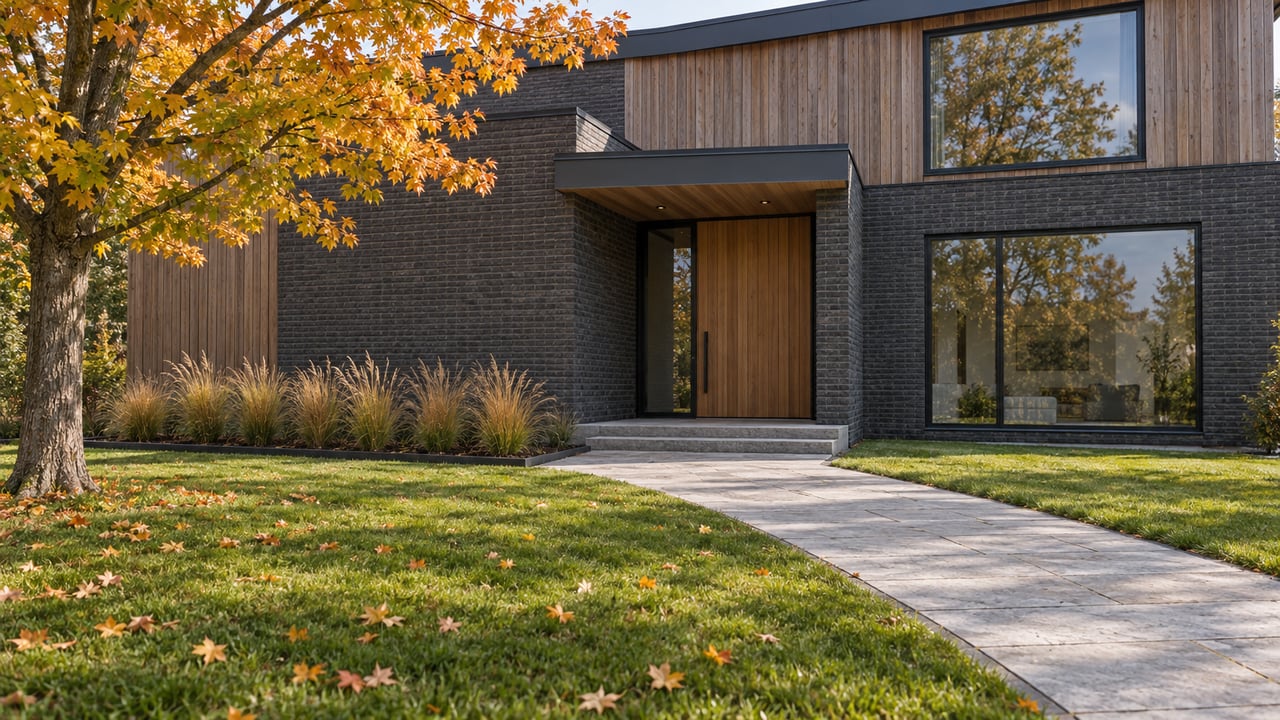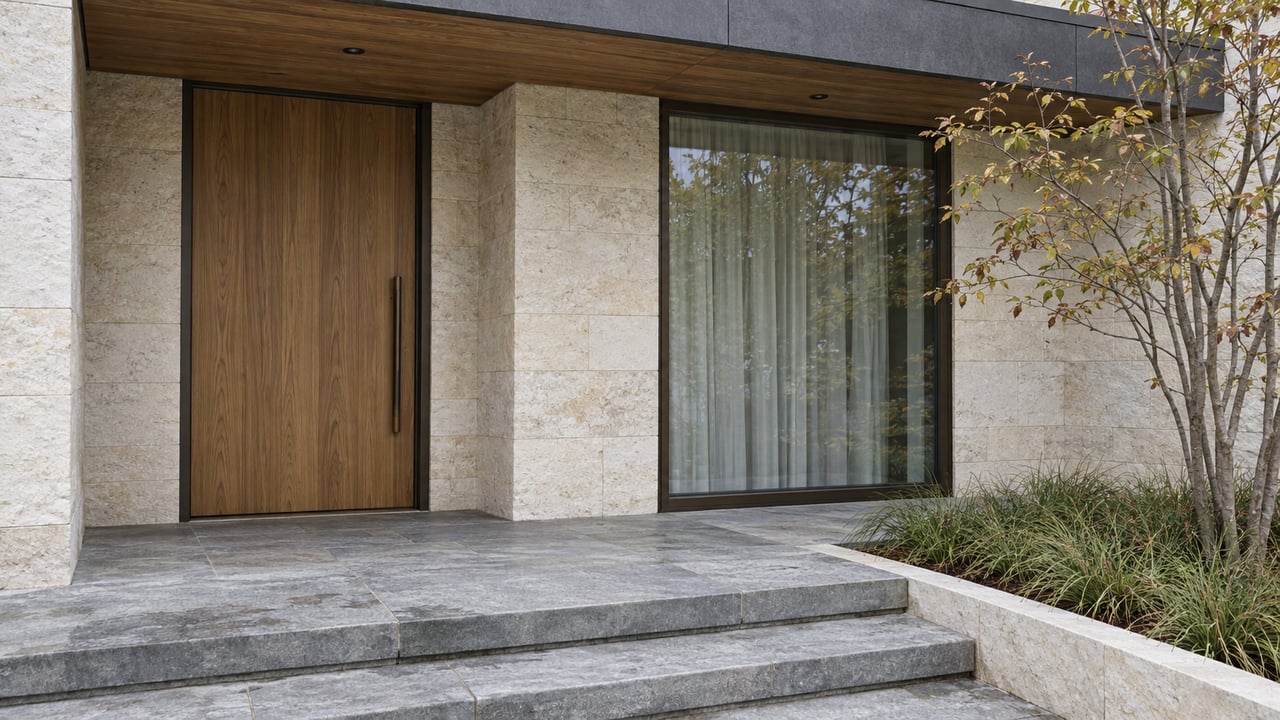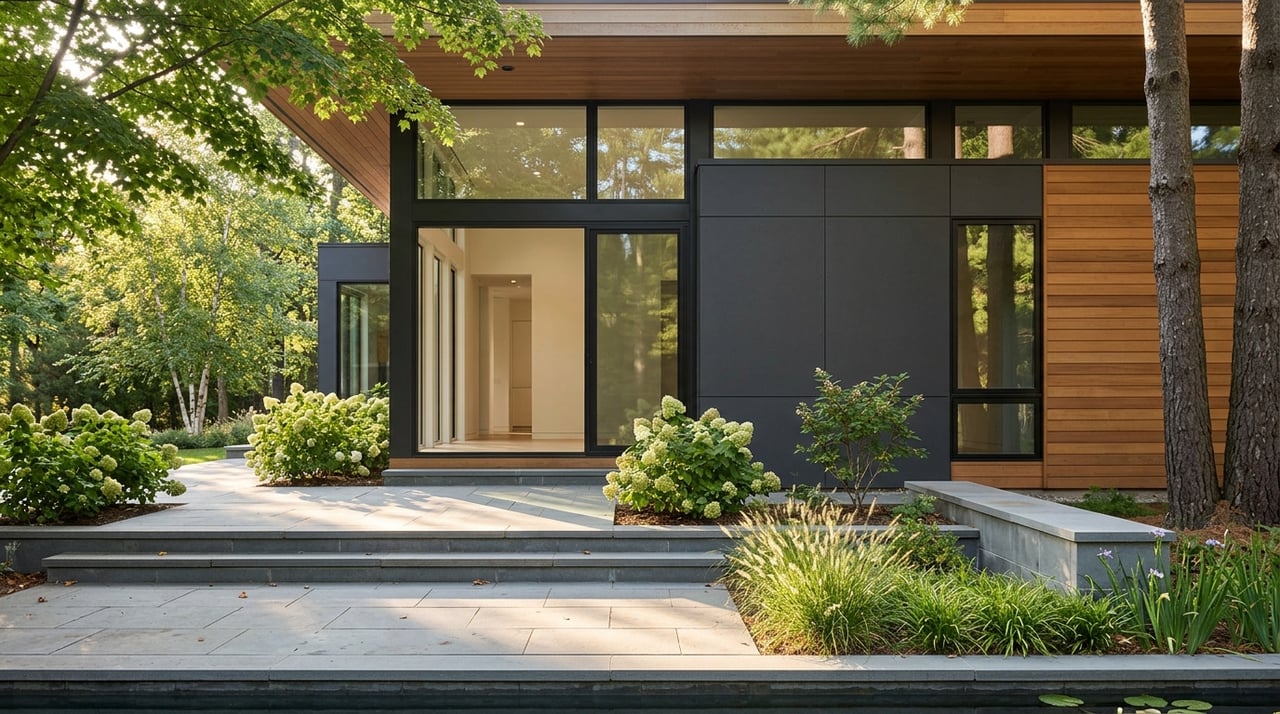
Looking for Lake Minnetonka living without the bustle that comes with busier waterfront towns? Orono stands out for exactly that reason. If you want privacy, larger lots, and a more residential pace while staying close to the metro, this guide will help you understand what makes Orono different. Let’s dive in.
Why Orono Feels So Quiet
Orono sits on the north shore of Lake Minnetonka and has an estimated 8,301 residents across 15.92 square miles. That works out to roughly 522 people per square mile, which is a much lower-density feel than many buyers expect in a well-known lake market. In practice, that means more space between homes, more mature landscaping, and a setting that feels residential first.
The city’s planning framework supports that character. Orono identifies Urban Estate Residential areas at about 0.5 to 2 units per acre, and it specifically calls for lower densities near Lake Minnetonka to help protect shoreline character, manage stormwater, and reduce impacts on the lake. That policy direction helps explain why Orono feels more private and less built up than other places around the lake.
For many buyers, this is the main appeal. You are not choosing Orono for a compact downtown experience. You are choosing it for quiet roads, estate-style settings, and a stronger sense of separation from the activity that often surrounds major waterfront communities.
Lake Minnetonka Shapes Daily Life
Lake Minnetonka is the defining amenity here. The lake covers more than 14,000 acres with over 100 miles of shoreline, and Orono alone includes more than 40 miles of Lake Minnetonka shoreline plus nearly 5 miles of additional lake shoreline. That amount of water access gives the city a true lake-living identity.
What makes Orono distinct is how that access is woven into daily life. The city lists access points at Coffee Channel, Maxwell Bay, and North Arm for fishing platforms and public launches. At the same time, many shoreline access corridors in Orono are neighborhood rights-of-way intended mainly to serve nearby residents.
That detail matters more than it may seem. Because many access points are local in scale and often do not include designated parking, they tend to support a quieter neighborhood environment rather than draw larger crowds. It is one of the clearest reasons Orono feels calmer than more visitor-oriented lakefront communities.
Beaches and Parks Stay Local in Scale
Orono’s public beach options add to the lifestyle without changing the low-key atmosphere. Public beach sites include Casco Beach, Lydiard Beach, Sandy Beach, and Summit Beach Park. Summit Beach Park, for example, is a five-acre park with a dock, picnic tables, toilets, and a 10-stall parking lot.
That small-scale setup is consistent with the city’s overall character. You have access to the lake and places to enjoy it, but the experience feels neighborhood-oriented rather than commercial or crowded. For many residents, that balance is exactly the point.
Beyond the shoreline, Orono maintains 266.9 acres of city parks, open space, and trails, or 34.3 acres per 1,000 residents. The city’s park planning specifically prioritizes open-space protection, wildlife habitat, and lake access, which reinforces the idea that Orono is designed to preserve natural assets rather than intensify them.
Open Space Adds to the Calm
If you are drawn to nature as much as the lake itself, Orono offers more than shoreline views. Big Island Nature Park is a strong example of the city’s conservation-minded approach. About 75% of the 56-acre site is protected by conservation easement, and the park is intended for passive recreation with informal trails and docks.
That passive-recreation focus is important. Instead of heavily programmed park spaces, you get environments that support walking, exploring, and spending quiet time outdoors. It is a natural fit for buyers who value privacy and a less hectic day-to-day rhythm.
Nearby regional destinations also expand your options. Baker Park Reserve in northwest Orono and Medina offers trails, swimming beaches, paddling, camping, skiing, hiking, and golf, while Noerenberg Memorial Gardens on Crystal Bay is known for its tranquil setting. These amenities add variety without taking away from Orono’s quieter residential feel.
Everyday Living in Orono
Quiet does not mean isolated. Orono’s community profile describes the city as offering a small-town feel while remaining only minutes from downtown Minneapolis. For many households, that is the sweet spot: calm at home, connected when needed.
Daily routines here often center on outdoor access and residential comfort. The Dakota Rail Regional Trail runs through central Orono and parallels County Road 15, and Baker Park Reserve connects to the Lake Independence Regional Trail. That gives you built-in options for walking, biking, skiing, and casual recreation close to home.
Golf is also part of the local landscape. Orono Orchards Public Golf Course is a nine-hole course near the north shore of Lake Minnetonka, with mature trees, elevated greens, and a wooded buffer. The course dates to 1924 and fits the city’s low-key, established character.
Orono for Families and Relocating Buyers
For buyers comparing western Twin Cities communities, Orono often appeals to those who want space and a quieter setting without giving up convenience. Orono Public Schools is a single K-12 campus district in Long Lake that serves Orono and nearby communities. The district notes that its small size helps ensure every child is known, which can be a useful point of comparison if you are evaluating larger suburban systems.
More broadly, Orono can be a strong fit if your priorities include privacy, outdoor recreation, and room to spread out. The city’s high owner-occupancy rate of 90.9% and median owner-occupied home value of $1,004,500 also point to a market shaped by long-term ownership and significant equity. This is not a compact starter-home market. It is an established, upscale residential environment.
If you are relocating, it also helps to understand the local housing pattern. Orono’s housing and land-use character tends to favor larger parcels, custom homes, and settings where topography, shoreline conditions, wetlands, drainage, and site planning matter. Since the city lies entirely within the Minnehaha Creek Watershed District and uses a Surface Water Management Plan, site-specific property evaluation is especially important for waterfront and near-water homes.
How Orono Differs from Wayzata and Excelsior
Buyers often ask how Orono compares with other Lake Minnetonka communities. The simplest answer is that Orono is generally the quieter, more estate-oriented option.
Wayzata is also lakeside, but its identity is much more compact and commercial. The city describes itself as a thriving downtown business community with shops, boutiques, and restaurants, all within a three-square-mile city. If you want more walk-to-retail activity, Wayzata may feel more active and urban.
Excelsior leans even more into a downtown-centered experience. It is a one-square-mile community with boutiques, restaurants, a historic theater, and annual events that draw large crowds. That creates charm and energy, but it is a very different lifestyle from Orono’s lower-density, more private residential setting.
For many Lake Minnetonka buyers, the choice comes down to rhythm. If you want to walk out your door to a lively commercial district, Orono may feel too quiet. If you want larger lots, preserved open space, and a stronger emphasis on residential shoreline living, Orono becomes very compelling.
What Buyers Should Watch in Orono
In a market like Orono, lifestyle and land characteristics are closely connected. Before you buy, it helps to look beyond square footage and finishes.
A few factors often deserve extra attention:
- Shoreline conditions and lake access configuration
- Wetlands, drainage, and erosion considerations
- Lot size, privacy, and topography
- Trail, park, and recreation access nearby
- Commute patterns to Wayzata, downtown Minneapolis, or other work hubs
- Whether you prefer a purely residential setting or more nearby retail activity
For sellers, those same factors often shape positioning. In Orono, the value story is rarely just the house. It is also the land, the setting, the access, and the sense of calm that comes with the location.
Why Orono Appeals to High-End Buyers
Orono’s market profile points clearly toward upscale living. The city’s median household income is $173,527, median selected monthly owner costs with a mortgage are above $4,000, and owner-occupied values are above the $1 million mark. Those numbers support what many buyers already sense on the ground: Orono is a premium residential market built around space, privacy, and long-term value.
That is especially relevant if you are considering lakefront property, a custom-home site, or a high-value resale home. In Orono, decisions about lot characteristics, development potential, and setting can have a major effect on both lifestyle and value. A neighborhood-by-neighborhood and site-by-site understanding matters here.
If you are thinking about buying or selling in Orono, working with a team that understands both the lifestyle side and the land side can make a real difference. For private guidance on Orono homes, lakeshore opportunities, and custom-home sites, connect with the Steadman Team.