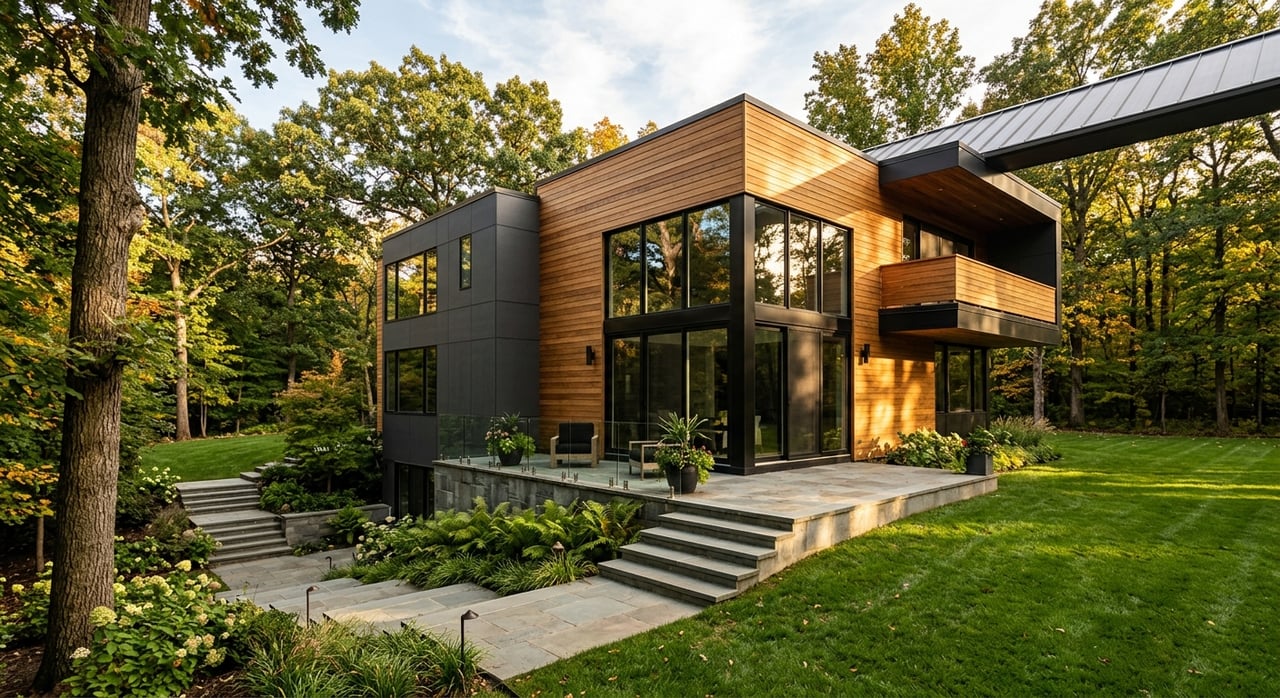
Luxury home pricing in Minnetonka can look confusing at first glance. Two homes with similar square footage can land at very different prices, and a bigger lot does not always mean a bigger premium. If you are buying, selling, or planning around a high-end property here, it helps to know what really moves value in this market. Let’s dive in.
Luxury Value Starts With the Site
In Minnetonka, luxury value is often site-first, not size-first. The city is a fully developed suburban community of more than 53,000 residents about eight miles west of Minneapolis, with a landscape shaped by trees, wetlands, prairies, and varied bodies of water. That setting makes pricing more specific to each property than a simple price-per-square-foot formula.
Minnetonka is also served by three public school districts: Hopkins, Minnetonka, and Wayzata. Because district lines and neighborhood context vary across the city, two homes with similar finishes can appeal to different buyer pools. That is one reason luxury pricing here tends to be highly individualized.
Lake Influence Shapes Premiums
For many high-end buyers, water is the first value driver they notice. But in Minnetonka, especially around Lake Minnetonka, the premium is not just about having shoreline on paper. It is about how usable, visible, and legally workable that shoreline is.
The city classifies Lake Minnetonka as a General Development lake. In plain terms, that reflects an already developed and highly used recreational lake environment. It also means shoreline-related improvements are regulated more carefully, which can directly affect what a buyer is willing to pay.
Why Similar Lake Homes Sell Differently
Two lake homes can have similar frontage and still command very different values. A lot with better view orientation, easier access to the water, and fewer constraints on improvements may outperform a property that looks similar in a listing summary.
Minnetonka’s shoreland rules help explain why. Water-oriented accessory structures in shoreland areas are limited to 120 square feet and 10 feet in height, with only one allowed per lot. They must also be set back 10 feet from the ordinary high water level and screened or reduced in visibility from the water.
Those rules make the quality of shoreline use especially important. Buyers often look beyond frontage numbers and focus on how the property actually lives day to day.
Lot Size Matters Less Than Lot Utility
One of the biggest mistakes in luxury pricing is assuming that more land automatically means more value. In Minnetonka, the more important question is how much of that land is truly usable.
The city defines buildable area as the part of a lot suitable for the primary structure after excluding easements, setbacks, wetlands, floodplains, steep slopes, flag-lot necks, and other unbuildable areas. That means two lots with the same total square footage can have very different real-world potential.
A larger parcel may sound impressive, but if part of it is constrained, the premium may be limited. A smaller lot with a cleaner building envelope and flatter topography can be more attractive to both end users and custom-build buyers.
Buildable Area Drives Opportunity
For luxury buyers and sellers, buildable area often shapes value more than lot dimensions alone. A clean site may support a better home footprint, stronger outdoor living plan, or a smoother path for future changes.
Minnetonka’s zoning rules reinforce that point. Most properties are zoned R-1, a low-density residential district, with typical setbacks of 35 feet from a local street, 50 feet from an arterial or collector street, 10 feet minimum on each side, and a rear setback of 20 percent of average lot depth or 40 feet, whichever is less.
These standards affect how a house can sit on the lot and how much flexibility an owner has. In the luxury segment, those details can change the entire feel and function of a property.
Zoning and Nonconforming Issues Affect Value
Not every high-end property fits neatly within today’s standards. In an established market like Minnetonka, some homes sit on lots or within setback patterns that predate current rules. That does not automatically hurt value, but it can affect what comes next.
The city notes that variances are limited to measurable standards like setbacks, height, or parking and are granted only when property-specific practical difficulties exist. The city also allows expansion permits in some cases for nonconforming buildings to increase in size while preserving the setback condition.
For buyers, that means future plans should be viewed through a practical lens. For sellers, it means the legal profile of the property can be just as important as the finish level when positioning the home in the market.
Architecture Is More Than Age
In Minnetonka’s upper tier, architecture matters, but not in a narrow or trendy way. Buyers are usually responding to the full package: location, lot quality, layout, finish level, and how intentional the home feels as a whole.
That is especially relevant in a mature suburb where luxury inventory includes both newer construction and older homes on established sites. In developed luxury markets, value is often driven more by land, neighborhood standing, and waterfront access than by square footage or new construction alone.
Older Homes Can Still Command Luxury Pricing
An older Minnetonka home can absolutely compete at a luxury level. If the site is strong and the interior has been thoroughly updated, buyers may view it as a premium offering.
That is one reason broad assumptions about age can miss the mark. A well-renovated home on a strong lot may outperform a newer home on a less compelling site, especially when the older property offers a better view, better setting, or better overall placement.
Condition Reduces Buyer Uncertainty
At the luxury level, buyers are often paying for confidence as much as aesthetics. A home that feels turnkey and well maintained can command stronger interest because it reduces uncertainty about future work.
Visible updates matter here. Windows, doors, and siding stand out to many buyers, and energy efficiency is also a meaningful value signal. In fact, recent national survey data cited in the research report found that 37% of agents identified windows, doors, and siding as the most important green features for clients, while 58% said promoting energy efficiency in listings adds value.
In practical terms, buyers notice improvements that make ownership feel easier. Updated systems, exterior envelope work, and polished finishes can all support stronger pricing because they lower maintenance concerns.
District Boundaries Influence Demand
School district boundaries are part of Minnetonka’s value story because the city spans Hopkins, Minnetonka, and Wayzata district areas. That does not make one area universally better than another, but it does mean district placement can influence which buyers focus on a particular home.
In the luxury market, buyer demand is often shaped by a combination of district location, commute patterns, lot style, and proximity to water or neighborhood amenities. That is why even homes with similar specs can attract different levels of urgency depending on where they sit.
West-Metro Demand Supports the Upper Tier
Local demand also helps explain why premium properties in Minnetonka continue to attract attention. Minnesota Realtors reported that in May 2026, new listings in the Twin Cities metro rose 4.3%, pending sales rose 10.6%, and the median sales price rose 1.0%.
The upper tier stood out even more. Pending sales above $1 million rose 31.5%, and private waterfront home sales rose 14.5%. Minnesota Realtors also reported that luxury sales outpaced other price ranges in 2025 and that luxury buyers tend to be less rate-sensitive.
That backdrop matters, but it does not replace property-level analysis. Strong demand can support values, yet the biggest premiums in Minnetonka still tend to come from the intersection of shoreline quality, usable land, intentional architecture, and move-in-ready condition.
What Sellers Should Focus On
If you are selling a luxury home in Minnetonka, value usually comes from presenting the property as a complete story rather than a list of features. Buyers want to understand what makes the site difficult to replace.
That often means highlighting:
- Shoreline usability and view orientation
- Actual buildable or functional yard area
- Thoughtful updates and maintenance history
- District context and location within Minnetonka
- The relationship between the home, the lot, and the surrounding setting
For high-end and lake-oriented properties, careful positioning matters. The strongest marketing angle is often the one that connects legal site utility, lifestyle use, and condition in a clear, credible way.
What Buyers Should Evaluate Closely
If you are buying, it helps to look past surface-level similarities. A property that seems comparable online may offer very different long-term value once you consider the site and regulatory picture.
Pay close attention to:
- How much of the lot is truly buildable or usable
- Whether shoreland rules affect future improvements
- How the house is positioned for privacy, views, and outdoor living
- Whether updates are cosmetic or also reduce maintenance risk
- How zoning or nonconforming conditions might affect future plans
These details can shape both your enjoyment of the property and its resale strength.
The Minnetonka Luxury Bottom Line
What really drives luxury home values in Minnetonka is not any single feature. It is the combination of shoreline quality, usable land, legal buildability, architecture, and condition, all within a west-metro market where demand remains healthy.
That is why pricing the upper tier here requires more than broad market averages. In a market shaped by water, mature neighborhoods, and site-specific constraints, the real premium usually comes from what a property allows you to do, how confidently you can own it, and how difficult it would be to replicate.
If you want a clearer read on what is driving value for your property or your next purchase in Minnetonka, the Steadman Team can help you evaluate the details that matter most.
FAQs
Why do two similar luxury homes in Minnetonka sell for different prices?
- Even when homes have similar square footage, value can differ based on shoreline usability, view orientation, buildable area, district location, and the legal ability to improve the site.
Does a bigger lot always add more luxury value in Minnetonka?
- No. Extra land may be limited by setbacks, wetlands, easements, floodplain, steep slopes, or other constraints, so usable land often matters more than total lot size.
Can an older home still be considered a luxury property in Minnetonka?
- Yes. An older home can command luxury pricing when it sits on a strong site and offers a thoroughly updated interior, strong layout, and reduced maintenance concerns.
Do school district boundaries affect luxury home values in Minnetonka?
- Yes. Because Minnetonka includes homes within Hopkins, Minnetonka, and Wayzata district areas, district placement can influence buyer interest and market positioning.
What updates matter most to luxury buyers in Minnetonka?
- Buyers often respond strongly to turnkey finishes, visible maintenance, and practical efficiency upgrades such as windows, doors, siding, and systems that reduce future upkeep.
Why is shoreline usability so important for Minnetonka luxury values?
- Shoreline rules can limit certain improvements, so buyers often place a premium on how easy the shoreline is to use, how the views are oriented, and what the site legally allows.