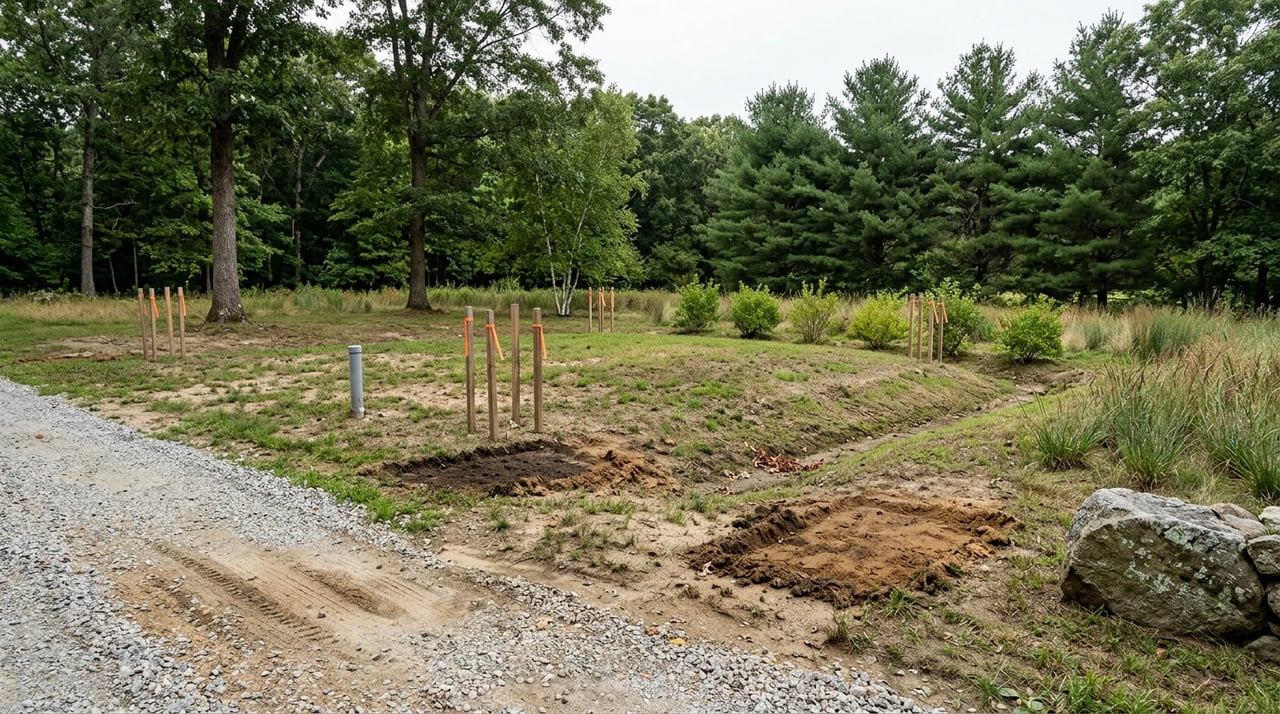
If you are dreaming about a custom estate home in Medina, the land itself matters just as much as the house you plan to build. A parcel can look ideal on paper and still have major limits once soils, wetlands, septic needs, and access rules come into play. This guide will help you understand what makes land in Medina truly buildable, what local rules can affect your plans, and where careful due diligence can save you time and money. Let’s dive in.
Why Medina appeals to estate-home buyers
Medina stands out for buyers who want space, privacy, and a setting shaped by long-term land stewardship. The city places clear emphasis on rural character, conservation-oriented land use, and growth that follows existing infrastructure. That planning approach aligns well with estate buyers who want acreage and a lasting sense of place.
The lifestyle piece matters too. Medina maintains parks, nature areas, and trails, and the city highlights amenities such as Lake Independence launches, the Medina Lake boardwalk, Hamel Legion Park, and Hunter Lions Park. For many buyers, that mix of open land and recreation is a big part of the appeal.
Start with buildable area
When you buy land for an estate home in Medina, lot size is only the first filter. The more important question is how much buildable area remains after you remove wetlands, floodplains, steep slopes, high water table areas, and right-of-way land from the equation. A large parcel can still have limited practical building area.
Medina’s subdivision rules require lots to have enough buildable area to satisfy both zoning and sewage-disposal standards. In rural service areas, lots also need contiguous soils that can support the required sewage system layout. That includes both a primary septic site and a secondary septic site.
This is why two parcels with the same acreage can have very different value for a custom build. One may offer a clear home site, usable yard area, and straightforward utility planning. Another may require major redesign, added cost, or may not support the vision you had in mind.
Soils and wetlands can shape the whole project
Medina requires detailed site analysis during the platting process, including a soil-series map tied to the current Hennepin County Soil Survey and a wetland delineation report. Those materials identify wetlands, ponds, lakes, waterways, floodplains, and shorelines. They help determine what part of the land can realistically support development.
In rural areas, suitable soils are calculated parcel by parcel. That means an acreage tract with beautiful views and plenty of land may still offer a smaller usable footprint than expected if protected features or poor-performing soils cover key parts of the site.
Know the zoning before you design
One of the biggest mistakes land buyers make is choosing a floor plan before confirming what the parcel can support. In Medina, zoning, subdivision standards, and sewage-disposal rules often shape the site plan first. The house design should follow the land, not the other way around.
In one major rural residential district, a lot must contain at least five acres of contiguous soils suitable for a standard sewage disposal system. The same district also requires a primary and secondary on-site sewage site, plus minimum lot dimensions of 300 feet in width and 200 feet in depth. Those standards can have a direct impact on whether a parcel fits your goals.
Parcel splits are not always simple
If you are considering land that may need to be divided, the rules matter. Medina allows an unplatted subdivision only when all resulting parts are at least five acres and at least 300 feet wide, and only when no new road is involved. That can limit options for buyers hoping to split off a homesite from a larger tract.
Access is another major issue. Lots are generally expected to front a public or private right-of-way. If they do not, the city requires a 60-foot access easement and proof that adequate physical access can be provided.
Flag lots are allowed in some situations, but the access portion must be wide enough for driveway access. The city may require additional width based on topography, sightlines, wetlands, soils, and similar site conditions.
Larger tracts may involve more review
If you are looking at a larger parcel with development potential, Medina uses a yield plan process. A yield plan is a conceptual layout showing the maximum number of lots the property could support under zoning and subdivision rules. It must account for wetlands, floodplains, steep slopes, and existing easements.
This matters even if your goal is a single estate home. Understanding the site’s broader development logic can help you evaluate long-term land value, future flexibility, and constraints that could affect design, access, or privacy.
Medina can deny a subdivision if the site is physically unsuitable or if the proposed design is likely to create environmental damage, public health issues, or conflicts with streets or easements. For larger land purchases, early planning review is often essential.
Minimum tract sizes can affect opportunity
The city sets fairly large minimum development thresholds. These include 40 contiguous acres in the Rural Residential District, 20 contiguous acres in sewered residential districts, and 10 contiguous acres in commercial or business districts. Some Rural Residential parcels between 20 and 40 contiguous acres may pursue CD-PUD review if they meet additional requirements and address visual impact through topography, vegetation, or buffers.
For buyers thinking beyond a single home, these thresholds can influence how a parcel should be evaluated from day one.
Utilities and operating costs need a closer look
Medina does not have one standard utility setup across the city. It operates three separate water systems, and some limited areas are served by neighboring Orono and Maple Plain. Because rates depend on the specific system, you should confirm the exact service area before finalizing your budget assumptions.
Many Medina properties also rely on individual sewage treatment systems. The city’s comprehensive sewer plan lists 702 known septic systems. That means septic planning is not a side issue here. It is a core part of land due diligence and long-term ownership cost.
Property owners must have septic tanks pumped and inspected at least once every three years. Beyond routine service, you should also think about future repair or replacement costs when evaluating total ownership expense.
Well and utility details can affect cost
On private-well properties, maintenance and protection matter. Medina advises owners to keep the well casing above grade, slope soil away from the well, avoid piling snow or debris around it, and follow Minnesota Department of Health setback requirements. If contamination occurs, treatment equipment or a new well may be required.
Utility and access work are also closely regulated. Public Works manages roadways, water and sewer utilities, stormwater, parks and trails, and right-of-way permits. The city requires a utility permit for underground utility work in the right-of-way and a driveway permit to construct or substantially alter a curb cut or driveway approach.
Estate lifestyle considerations in Medina
For many buyers, the estate-home search is about more than just building feasibility. You also want a setting that supports how you plan to live day to day. Medina offers a mix of open landscapes, trail access, and nearby recreation that fits well with an acreage lifestyle.
School assignment is another detail to verify carefully. Medina’s comprehensive plan reported that more than 60% of households were in Wayzata Public Schools and about 35% were in Orono Public Schools, with smaller portions in Delano and Rockford. Current district information confirms that both Wayzata and Orono serve all or part of Medina, so school assignment should always be confirmed by exact parcel or address.
If you are buying with future outbuildings, hobby use, or farm-animal allowances in mind, Medina’s code may also be relevant. On residential properties over five acres, the city council may grant a conditional use permit for larger accessory buildings. The code also allows livestock or traditional farm animals on properties of two acres or more, subject to animal-unit limits tied to grazable acreage.
A practical due diligence checklist
Before you commit to buying land for an estate home in Medina, it helps to review the parcel through a local, development-minded lens. A strong process usually includes the following:
- Verify zoning for the specific parcel
- Confirm whether the parcel is already platted
- Review whether subdivision or PUD review would be required
- Obtain a current survey
- Review wetlands and floodplain data
- Evaluate soils and septic feasibility
- Confirm water service or private-well conditions
- Review access, frontage, easements, and right-of-way issues
- Check topography, drainage, and utility constraints
- Sequence site feasibility before investing in house design
That last step is especially important in Medina. The city’s planning framework puts real weight on rural preservation, conservation design, and infrastructure fit. Buyers who confirm site constraints early are usually in a much stronger position to move forward with confidence.
Why local guidance matters
Land purchases in Medina often look straightforward until the technical details surface. Buildable area, soils, septic layout, utility service, and access standards can all change the path forward. In a market like this, careful upfront analysis is often what protects your timeline, budget, and long-term enjoyment of the property.
The city’s planning staff can be a useful resource for wetland data, floodplain regulations, GIS mapping, and septic systems. For buyers pursuing a custom estate home, early conversations can help clarify what a parcel can realistically support before you commit.
If you are considering land in Medina for a custom home or long-term estate property, working with a team that understands lot sales, builder coordination, and development-first due diligence can make the process far more strategic. To start a private conversation, connect with the Steadman Team.
FAQs
What makes land buildable for an estate home in Medina?
- In Medina, buildability depends on more than acreage. You need enough usable area after accounting for wetlands, floodplains, steep slopes, high water table areas, right-of-way land, and septic requirements.
What septic requirements matter for Medina land buyers?
- Rural service-area lots must meet sewage-disposal standards, including contiguous suitable soils and space for both a primary and secondary septic site.
What lot dimensions should you check in Medina?
- In one major rural residential district, Medina requires at least five acres of contiguous suitable soils for a standard sewage system, plus minimum lot standards of 300 feet wide and 200 feet deep.
What utility questions should you ask about Medina parcels?
- You should confirm whether the parcel is served by one of Medina’s water systems, a neighboring system, or a private well, and factor in septic maintenance and possible future repair costs.
What should you verify before buying acreage in Medina?
- Key checks include zoning, plat status, survey, wetlands, floodplain data, soils, septic feasibility, water source, access, easements, right-of-way issues, and whether added review or approvals may be required.
What school districts serve Medina properties?
- School assignment in Medina is parcel-specific. Areas of the city are served by Wayzata, Orono, Delano, and Rockford, so you should verify the exact parcel rather than assume district placement.